
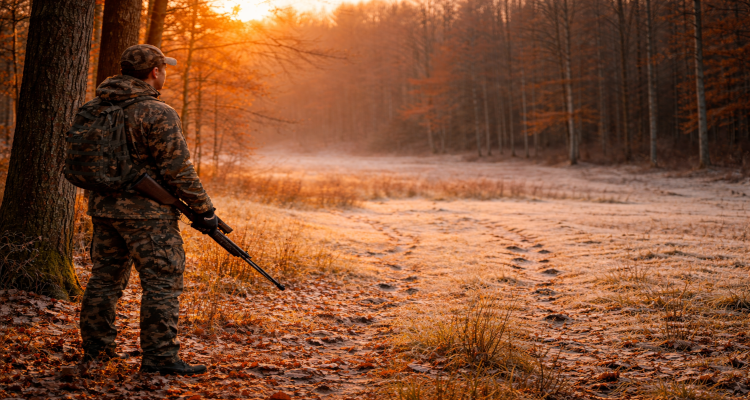
The Complete Beginner’s Guide to Deer Hunting: Gear, Prep, Tactics, and Terrain
For many outdoorsmen, deer hunting is more than a hobby. It is a tradition rooted in patience, preparation, respect for wildlife, and time spent outdoors. Whether your goal is filling the freezer, learning a new outdoor skill, or creating memories with family and friends, deer hunting can become one of the most rewarding experiences in the outdoors.
For beginners, though, the learning curve can feel steep. There are licenses to understand, gear to buy, scouting methods to learn, and hunting tactics that seem complicated at first glance. The good news is that every experienced hunter once started exactly where you are now.
This beginner’s guide breaks down the foundations of deer hunting so you can enter the woods with confidence and realistic expectations.
Understanding Deer Behavior
The first lesson every new hunter should learn is that deer hunting is really about understanding deer behavior. Whitetails survive by staying alert, moving cautiously, and using terrain to their advantage.
Deer spend most of their lives focused on three things:
- Food
- Water
- Security cover
If you can identify where deer eat, travel, and bed, you dramatically increase your odds of success.
Early in the season, deer often feed heavily in agricultural fields, acorn flats, food plots, and browse-rich areas. As hunting pressure increases, mature bucks become more cautious and often shift movement to thicker cover or nighttime travel.
Learning how deer react to weather, pressure, wind direction, and seasonal changes is one of the biggest keys to long-term success.
Essential Deer Hunting Gear
One of the biggest mistakes beginners make is thinking they need expensive equipment to start hunting. While quality gear helps, basic dependable equipment matters far more than flashy gadgets.
Here is the core gear most beginners should focus on first.
Weapon Choice
Most deer hunters use one of three primary weapon systems:
- Rifle
- Shotgun
- Bow/crossbow
Rifles are usually the easiest option for beginners because they allow accurate shots at longer distances. Popular beginner calibers include:
- .243 Winchester
- .270 Winchester
- .308 Winchester
- 6.5 Creedmoor
If you plan to bowhunt, expect a steeper learning curve. Bowhunting requires hunters to get much closer to deer, often inside 30 yards.
If you’re bow-curious but want confidence, modern crossbows like those available through Ravin Crossbows are beginner-friendly, accurate, and legal in many states (always check local regs).
Crossbows have become increasingly popular because they combine some advantages of firearms and archery.
Affordable, reliable optics and starter kits are easy to find at Sportsman’s Warehouse or OpticsPlanet.
Clothing and Boots
Comfort matters more than most beginners realize.
Cold feet, wet clothing, and poor layering can end a hunt quickly.
A simple layering system usually works best:
- Moisture-wicking base layer
- Insulating mid-layer
- Windproof/water-resistant outer layer
Reliable boots are especially important. Waterproof insulated boots can make long sits far more comfortable during late-season hunts.
Cold, wet feet end hunting early. Reliable footwear from Muck Boots or Rocky Boots keeps beginners in the woods longer and learning faster.
Safety Equipment
If you hunt from a treestand, always wear a full-body safety harness.
This is non-negotiable.
Falls are among the most common serious hunting accidents every season.
Other important safety items include:
- Blaze orange clothing
- Flashlight or headlamp
- First aid kit
- Knife
- GPS or mapping app
- Extra batteries
Trusted outdoor retailers like GritrOutdoors offer beginner-friendly bundles without overkill pricing.
Scouting Before the Season
Successful deer hunting begins long before opening day.
Scouting teaches you where deer travel and how they use the landscape.
Many beginners simply walk into random woods and hope to see deer. Consistent hunters study sign carefully.
Look for:
- Tracks
- Rubs
- Scrapes
- Droppings
- Trails
- Bedding cover
- Feeding areas
Trails connecting bedding areas to food sources are often excellent places to hunt.
Trail cameras can also help beginners learn deer movement patterns. Place cameras near trails, funnels, field edges, and water sources.
Understanding Wind Direction
One of the biggest mistakes beginners make is ignoring wind direction.
A deer’s nose is its primary defense system.
If your scent blows toward deer, they will often detect you long before you ever see them.
Always hunt with the wind blowing away from likely deer movement whenever possible.
Many experienced hunters choose stand locations almost entirely based on wind.
Choosing Hunting Locations
Some locations naturally concentrate deer movement better than others.
Beginners should focus on “funnels” and “pinch points.”
Examples include:
- Creek crossings
- Saddle ridges
- Narrow timber strips
- Fence gaps
- Field corners
- Thick cover transitions
Deer prefer traveling routes that provide security and efficient movement.
Learning to identify these travel corridors is one of the fastest ways to improve.
Treestand Hunting vs Ground Hunting
Treestand hunting gives hunters better visibility and helps reduce scent detection.
However, hunting from the ground can also be extremely effective, especially in thicker terrain.
Ground blinds work well for beginners because they provide concealment and comfort.
Treestands require more setup, safety awareness, and access planning.
Both approaches can be effective depending on terrain and deer movement.
Deer Hunting During the Rut
The rut is the whitetail breeding season and often the most exciting part of deer season.
During the rut, mature bucks become more active during daylight hours while searching for does.
This increased movement gives hunters better opportunities.
The rut usually creates:
- More daytime movement
- Increased chasing activity
- More aggressive buck behavior
- Better chances at mature deer
Beginners should spend as much time in the woods as possible during peak rut periods.
Shot Placement Basics
Ethical hunting means making quick, clean kills.
The best target area on a deer is the vital zone behind the shoulder.
A broadside shot typically provides the largest target area and best penetration.
Avoid risky shots at long distances or difficult angles until you gain more experience.
Practice regularly before the season starts.
Confidence with your weapon matters tremendously.
Tracking a Deer After the Shot
Many beginners rush after shooting a deer.
This often causes wounded deer to run farther.
Instead:
- Watch carefully where the deer runs.
- Listen for crashing or falling.
- Wait before tracking unless you clearly see the deer go down.
- Look for blood, hair, and tracks.
Good tracking skills are part of ethical hunting.
Field Dressing and Meat Care
Once you recover a deer, proper meat care becomes critical.
Field dressing removes internal organs and helps cool the meat quickly.
Warm temperatures can spoil venison rapidly.
Carry:
- Sharp knife
- Disposable gloves
- Rope or drag system
- Game bags if needed
Many hunters eventually learn to process deer themselves, though local processors are excellent options for beginners.
Respecting the Outdoors
Responsible hunters play a major role in wildlife conservation.
License fees and excise taxes on hunting equipment help fund habitat management and conservation programs.
Ethical hunters:
- Follow game laws
- Respect private property
- Practice safe firearm handling
- Recover wounded animals responsibly
- Leave land cleaner than they found it
Final Thoughts
Deer hunting can become a lifelong passion because it combines skill, patience, strategy, and outdoor adventure.
Success rarely happens instantly. Even experienced hunters have slow days, missed opportunities, and difficult seasons.
The real reward often comes from the process itself:
- Watching the woods wake up at sunrise
- Learning animal behavior
- Sharing camp stories
- Spending time outdoors
- Building confidence and self-reliance
If you stay patient, keep learning, and spend time in the woods, success eventually follows.
The best deer hunters are not always the ones with the most expensive equipment. They are usually the ones who understand the land, pay attention to details, and keep showing up season after season.
Author Bio
Earnest Sherrill is an outdoors writer, lifelong hunter, and conservation-minded storyteller with over two decades of experience in the field. He believes hunting is about responsibility, patience, and passing knowledge forward not gatekeeping it. When he’s not in the woods, Earnest helps build practical guides that make outdoor life more accessible for everyone.