
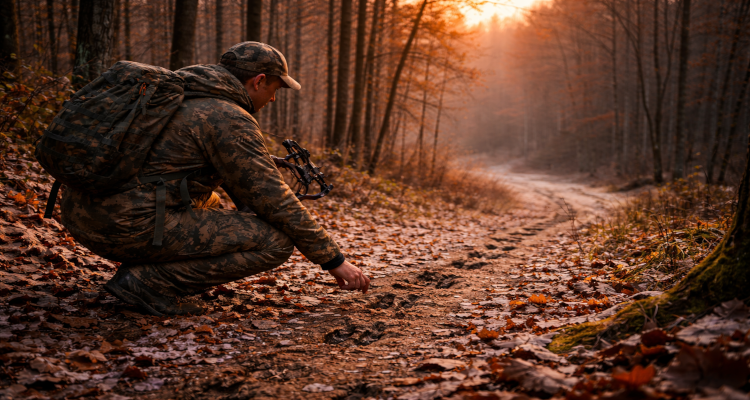
How to Pattern Mature Bucks When They’ve Gone Nocturnal
Few things frustrate deer hunters more than mature bucks that seem to vanish after daylight fades. Trail cameras show them feeding all night long, but legal shooting light comes and goes without a single sighting.
This is one of the biggest challenges in modern whitetail hunting.
As bucks age, they become experts at avoiding pressure. A mature buck that survives multiple hunting seasons learns how hunters move, where stands are located, and when danger is highest.
The good news is that nocturnal bucks are still killable. The key is understanding why they shift movement patterns and how to intercept them before darkness takes over.
Why Mature Bucks Become Nocturnal
Most mature bucks do not become fully nocturnal by accident.
They change movement behavior because of:
- Hunting pressure
- Human scent
- Vehicle traffic
- Repeated stand access
- Poor wind management
- Changes in food availability
Young bucks often move recklessly during daylight. Mature bucks rarely do.
Older deer survive because they minimize risk.
Once hunting pressure increases, bucks often wait until darkness before entering open food sources.
Focus on Bedding Areas
One of the biggest mistakes hunters make is sitting over fields where trail cameras show nighttime activity.
If bucks are reaching those food sources after dark, you are already too far away.
Instead, focus closer to bedding cover.
Mature bucks often rise from bedding areas just before dark and stage nearby before entering feeding areas.
Key bedding features include:
- Thick cedar cover
- Swamps
- CRP grass
- South-facing slopes
- Brushy ridges
- Remote creek bottoms
The closer you hunt to bedding, the better your odds of catching daylight movement.
Hunt Transition Zones
Transition areas between bedding and feeding locations are often the best places to target nocturnal bucks.
These zones may include:
- Small openings
- Oak ridges
- Creek crossings
- Secondary trails
- Hidden staging areas
Many mature bucks stop in staging cover before fully exposing themselves in open feeding areas.
A buck that arrives in a field at 8:00 PM may have been standing 80 yards inside cover at 6:45 PM.
Reduce Hunting Pressure
Pressure changes deer movement faster than almost anything else.
Every time hunters enter or leave a stand, they spread scent and create disturbance.
Mature bucks notice patterns quickly.
To reduce pressure:
- Limit unnecessary scouting
- Avoid overchecking cameras
- Use quiet access routes
- Hunt only favorable winds
- Rotate stand locations
- Avoid educating deer
Sometimes hunting less aggressively actually increases success.
Understand Wind and Thermals
Mature bucks rely heavily on scent.
Even if a buck cannot see you, he may circle downwind before approaching an area.
Wind direction matters constantly.
Morning and evening thermals also influence scent movement, especially in hill country.
Cool air sinks in the evening while rising air currents occur after sunrise.
Hunters who ignore thermals often unknowingly spread scent into bedding areas.
Quiet, scent-conscious footwear like XtraTuf or Rocky Boots helps protect limited opportunities.
Use Cameras Strategically
Trail cameras are valuable tools, but many hunters misuse them.
Do not place cameras directly in bedding cover unless you can access them carefully.
Too much intrusion educates mature deer.
Instead:
- Monitor trail intersections
- Watch staging areas
- Focus on travel corridors
- Use cellular cameras when possible
Pay attention to:
- Wind direction during sightings
- Moon phase patterns
- Temperature drops
- Fronts and weather changes
Over time, patterns often emerge.
Hunt Cold Fronts Aggressively
Weather shifts can trigger daylight movement.
One of the best times to hunt mature bucks is immediately before or after major cold fronts.
Dropping temperatures often increase feeding activity.
Strong weather systems may also encourage bucks to move earlier than normal.
Many experienced hunters save vacation days specifically for cold-front hunts.
Capitalize on the Rut
The rut changes everything.
Even highly nocturnal bucks often make mistakes during the breeding season.
As bucks search for receptive does, daylight movement increases dramatically.
Focus on:
- Doe bedding areas
- Funnels between bedding cover
- Downwind edges of doe groups
- Travel corridors connecting doe concentrations
A mature buck may remain nocturnal most of the year but suddenly appear during legal shooting hours in peak rut conditions.
👉 Stay consistently equipped for scouting and hunting with HuntVault
Midday Hunting Can Work
Many hunters leave the woods by late morning.
That creates opportunities.
Mature bucks sometimes move midday during the rut when woods become quieter.
Long all-day sits can occasionally produce encounters that shorter hunts miss.
Stay Mobile
Hunters who remain flexible often succeed faster.
If a stand location is not producing, adjust.
Use fresh sign and recent camera data to guide decisions.
Mobile hunting setups using lightweight stands or saddles allow hunters to react quickly.
Entry and Exit Routes Matter
One careless entry route can ruin an entire property.
Always think about how deer use the area before approaching a stand.
Avoid:
- Walking across feeding areas
- Crossing primary trails
- Entering bedding cover carelessly
- Using noisy routes
Low-impact access is one of the most overlooked factors in mature buck hunting.
Patience and Timing
Killing mature bucks often requires patience.
Sometimes conditions are simply not right.
Waiting for:
- Correct wind
- Better weather
- Peak rut movement
- Lower pressure
can make the difference between educating a buck and harvesting him.
Final Thoughts
Patterning nocturnal mature bucks is one of the hardest challenges in deer hunting because older bucks survive by avoiding mistakes.
Success requires discipline, observation, and strategic pressure management.
The hunters who consistently kill mature deer usually:
- Hunt smarter instead of harder
- Minimize disturbance
- Understand wind behavior
- Focus near bedding areas
- Stay patient
A mature buck may only make one daylight mistake all season.
Your job is to be in the right place when it happens.
Author Bio
Earnest Sherrill is an experienced whitetail hunter and outdoor writer focused on ethical hunting, adaptive strategy, and understanding deer behavior under pressure. His work emphasizes patience, preparation, and respect for the animal and the land.