
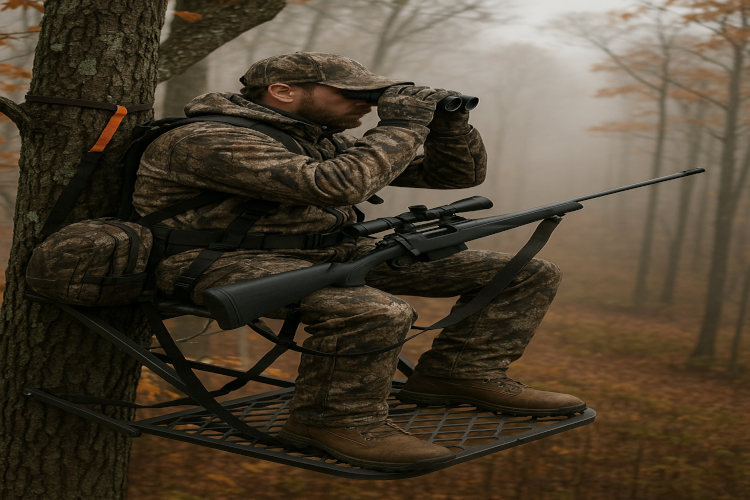
The After-Trip Gear Reset: Be Ready for the Next Hunt or Fishing Morning
Affiliate disclosure: We may earn a commission when you purchase through links on this page, at no additional cost to you.
In this guide: Use a practical after-trip routine to dry clothing, inspect equipment, organize batteries, and pack for your next hunt or fishing trip.
Most forgotten gear was not forgotten on the morning of the trip. It was misplaced the evening after the last one. A headlamp went into the wrong coat. Wet gloves stayed in the bag. The tackle tray was left open on the bench because somebody was going to sort it tomorrow.
A short reset after each outing prevents that pile from becoming next weekend's problem. Give wet gear a place to dry, separate things that need attention, and return dependable equipment to a known location. You will spend less time wondering whether a bag is actually ready.
Unload into three useful groups
Make space for ready, drying, and needs-attention items. Ready equipment goes back to its normal storage after inspection. Wet or dirty gear stays out until it has been handled properly. Anything damaged or questionable gets a visible repair note and stays out of the ready bag.
Do not make the repair group a permanent shelf of mysteries. Write the problem down while you remember it: slipping buckle, unreliable light, cracked case, or damaged zipper. A specific note turns a vague intention into something you can address before the next departure.
Handle food, catch, and hunting equipment first
Perishable food and harvested fish or game need their appropriate handling routine before you begin reorganizing accessories. Follow current guidance for the species and conditions rather than treating an equipment checklist as food-safety instructions.
Handle firearms and ammunition according to established safe procedures and secure storage requirements. Keep cleaning and maintenance separate from casual sorting. Follow the manufacturer's directions for other specialized equipment as well. A general reset routine should support those procedures, not improvise replacements for them.
Open the bag all the way
Remove the small things that migrate to the bottom: wet line, wrappers, loose hooks, spent hand warmers, and the glove you thought was missing. Empty compartments rather than checking only the easy-to-see top layer. A damp towel left inside a closed pack can undo a careful drying job elsewhere.
Check zippers and seams as you work. If a pocket is too crowded to close easily, reduce its contents or move an item. Repeatedly forcing it shut is unlikely to make the next trip more convenient.
Dry before storing
Spread clothing and equipment where air can circulate, using the product's own care instructions. Boots, packs, rainwear, and insulated garments may require different methods. Avoid improvised high heat, particularly around adhesives, coatings, electronics, and batteries.
Keep dry replacement clothes away from the drying pile. When the used set is ready, restore it to storage or swap it with the clean backup. A clearly separate dry compartment is especially helpful for cold-weather bank fishing, where wet hands and spare layers are recurring concerns.
Give batteries a dedicated routine
Inspect devices and connectors, then charge or store them as their manufacturers direct. Keep the approved charger with its device or label the storage location. Do not identify compatible power equipment solely by whether the plug fits.
If you use heated clothing, remove the batteries before any cleaning and follow the exact care manual. Keep the instructions accessible. Our heated hunting clothing guide explains why power planning belongs in the buying decision, not just the packing list.
Replace what you actually used
Refill the items depleted during the trip: leader material, appropriate first-aid consumables, drinking-water supplies, or the small repair item that solved a problem. Check condition as well as quantity. A wrapper can look unopened after its contents have been removed.
Keep a short shopping list instead of ordering every possible upgrade while the trip is fresh in your mind. Mark the difference between a replacement you need before departure and an idea you may want to compare later. That helps keep a useful kit from steadily growing heavier.
Save the observation while it is still clear
Write three lines: what worked, what failed, and what to change next time. Include useful details such as which glove combination fit, where a pack rubbed, or what tackle you never opened. Record conditions without pretending that one outing proves a universal rule.
For hunting and fishing notes, keep location information secure and respect access agreements. A private field note can be more detailed than something you share publicly. The purpose is to make your next decision better.
Finish with a departure-ready bag
Return the ready items to consistent compartments. Leave a visible reminder for anything that must be added later, such as refrigerated food or a device still charging. Check that navigation and communication equipment will be ready independently of optional comfort gear.
The next outing should begin with a brief confirmation, not an excavation. When you can lift the bag and know what is inside it, the reset has done its job. You get your time back at the moment it is most valuable: before daylight, when you would rather be on the way.